Why HDR displays are essential for modern automotive safety
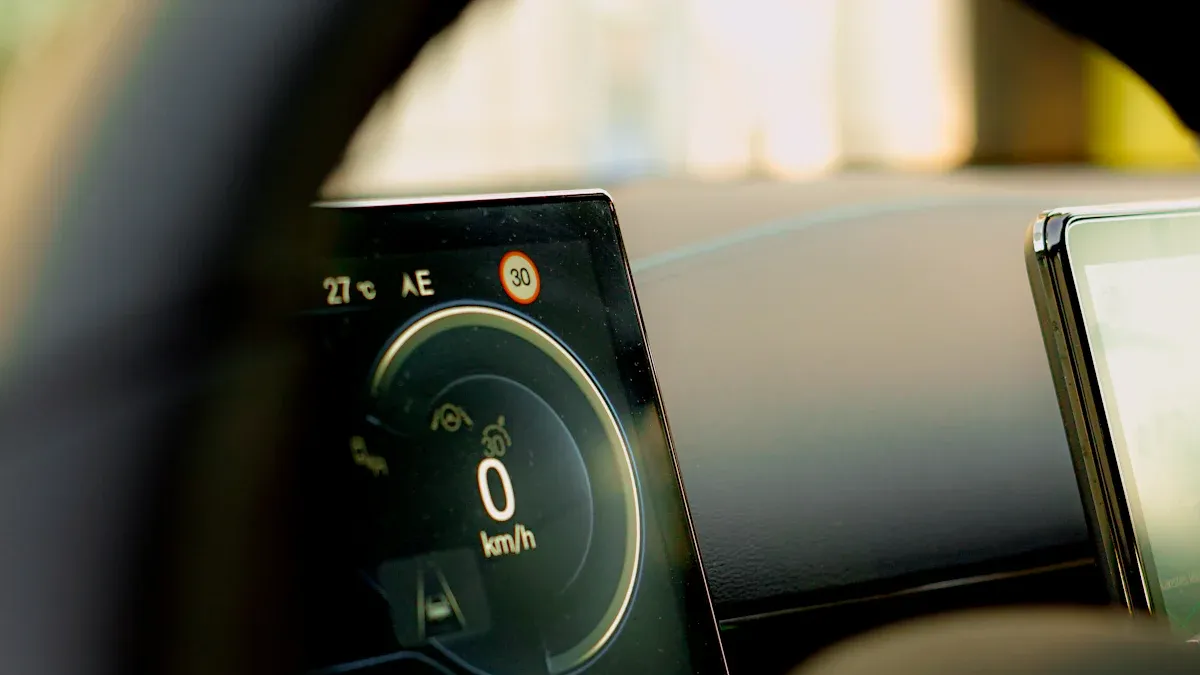
You depend on clear vision to react quickly and stay safe behind the wheel. An automotive hdr display gives you a sharper, more accurate view in every situation. Imagine driving from bright sunlight straight into a dark tunnel—your eyes adjust, but your display must keep up. With hdr, you see hazards, signs, and lane markings with less strain. This technology improves your driving experience, whether you control the car or rely on autonomous features.
Key Takeaways
HDR displays provide clearer visuals in both bright and dark conditions, helping drivers see hazards and road signs more easily.
High brightness and contrast in HDR technology reduce glare and eye strain, making long drives more comfortable and safe.
Integrating HDR displays with advanced driver-assistance systems enhances safety by improving hazard detection and response times.
Choosing vehicles with HDR technology ensures compliance with modern safety standards, offering better protection on the road.
Investing in HDR displays means enjoying a more vivid and accurate driving experience, which keeps you alert and focused.
Automotive HDR Display Technology
What Is HDR in Vehicles
When you use an automotive hdr display, you get a view that closely matches what your eyes see in real life. HDR, or high dynamic range, lets your display show both very bright and very dark areas at the same time. This technology captures details in shadows and highlights, so you do not miss important information on the road. For example, when you drive from a sunny street into a shaded tunnel, hdr keeps the picture quality clear and balanced. You see lane markings, signs, and obstacles without losing detail, even with sudden changes in lighting.
HDR technology in vehicles works much like your own eyes:
It captures details in both bright and dark areas at once.
It prevents overexposure, so you do not lose important details in shadows.
It gives you a balanced view, even when lighting changes quickly.
Key Features: Brightness, Contrast, Color
You benefit from three main features in an automotive hdr display: brightness, contrast, and color. High brightness means you can see the screen clearly, even in direct sunlight. Strong contrast helps you spot differences between light and dark areas, making hazards stand out. A wide color range brings out more shades, so the picture quality looks vivid and true to life. These features work together to improve image quality and help you react faster to what you see.
HDR vs. Standard Displays
You might wonder how an automotive hdr display compares to a standard display. The table below shows the main differences:
Feature | Traditional Display Systems | Automotive HDR Display Technology |
|---|---|---|
Luminance Range | Limited to 100 nits | Over 1,000 nits |
Color Gamut | Rec.709 | DCI-P3 and Rec.2020 |
Bit Depth | 8-bit | 10-bit or higher |
Dynamic Metadata | Not available | Available in HDR10 and Dolby Vision |
With these improvements, you get better picture quality, more accurate colors, and a display that adapts to any lighting. The HDR10+ Automotive certification ensures your display meets strict standards for safety and performance. When you choose a vehicle with high dynamic range, you invest in technology that keeps you safer and more alert on every drive.
Visibility Challenges and HDR Solutions
High-Contrast Driving Environments
You face many visibility challenges when driving through areas with rapidly changing light. Sunlight can reflect off surfaces, making it hard to see details on your display. Shadows can hide important information, especially when you move from bright roads into tunnels or underpasses. The table below highlights common issues and how advanced displays address them:
Visibility Challenge | Description |
|---|---|
Sunlight Reflection | Ambient light can wash out images, making it hard for you to see details. |
Dynamic Range Compression | High ambient light elevates black levels, reducing detail in shadow areas. |
Color Accuracy | Increased ambient light can wash out colors, affecting visual clarity and detail. |
Power Consumption | Boosting brightness to combat ambient light increases energy usage, impacting performance. |
Adaptive Solutions | Sensors and algorithms maintain optimal contrast in changing light conditions. |
An hdr display enhances contrast and dynamic range, which helps you see clearly in both bright and shaded areas. You get better color accuracy and saturation, so visuals remain vibrant even in strong sunlight. The camera system works with the display to adjust settings in real time, keeping critical information visible.
Night Driving and Glare Reduction
Night driving brings its own set of challenges. Glare from headlights and streetlights can make it difficult to spot hazards. Automotive hdr displays, especially those paired with advanced camera technology, outperform traditional displays by preserving detail in both bright and dark areas. You see road signs, lane markings, and obstacles more clearly, even when facing oncoming headlights. The camera captures subtle differences in light, and the display presents them without losing clarity. This combination reduces glare and helps you stay focused on the road.
Impact on Driver Fatigue
Long drives and poor visibility can cause eye strain and fatigue. When you use an hdr display with a high-quality camera, you experience less visual stress. The system delivers a balanced image, so your eyes do not need to work as hard to adjust to changing light. You stay more alert and comfortable, which improves your reaction time and overall safety.
You see details in both shadows and highlights.
You experience less glare and eye strain.
You maintain better focus during long drives.
Tip: Choose vehicles with integrated hdr displays and advanced camera systems to maximize safety and comfort in any lighting condition.
HDR in Driver Assistance and Safety
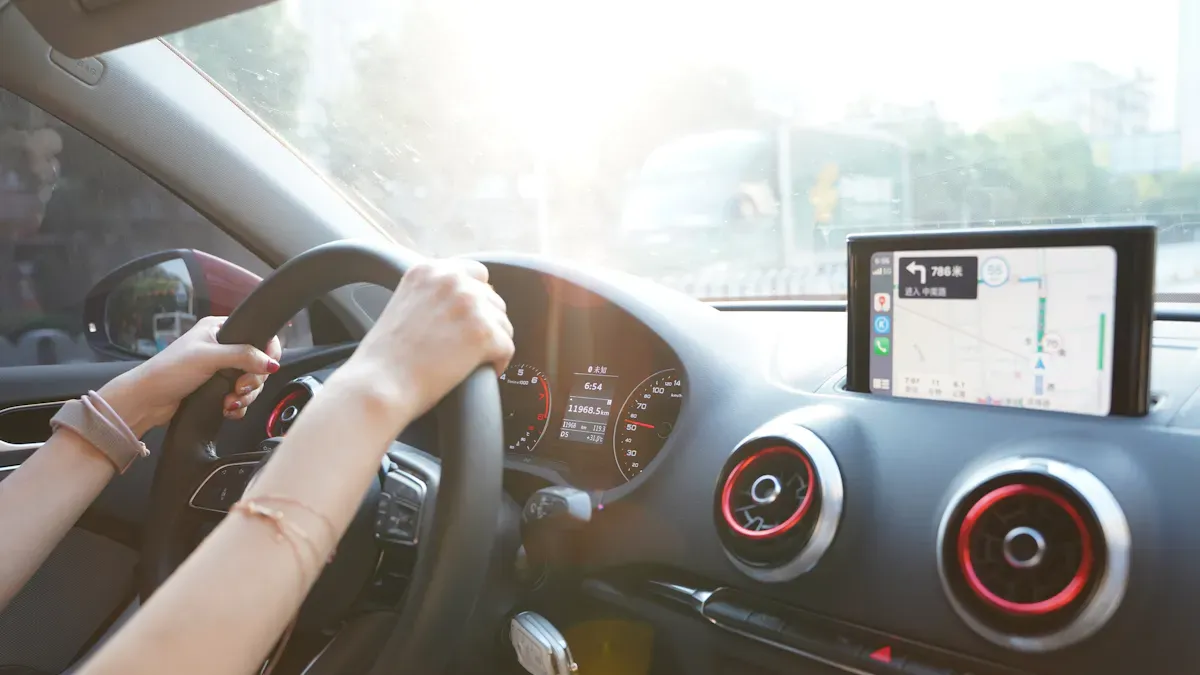
Integration with ADAS and Cameras
You rely on advanced driver-assistance systems (ADAS) and cameras to keep you safe on the road. An automotive hdr display works with these systems to give you a clear and accurate view, no matter the lighting. Automotive imaging technology uses high-quality cameras that capture every detail, even when sunlight or shadows make things hard to see.
Dr. Paul Wu from OMNIVISION explains that their hdr technology improves driver monitoring systems (DMS) and occupant monitoring systems (OMS). You benefit from better detection of distractions and drowsiness, even when lighting changes quickly.
Detlef Wilke from Smart Eye highlights that combining global shutter and hdr technology allows cameras to track your attention and the status of everyone in the car. This means you get consistent safety, whether you drive in bright daylight or at night.
Automotive imaging systems use these cameras to feed real-time data to your display. You see accurate images that help you react faster to hazards and stay focused on the road.
Enhanced Hazard Detection
You face many hazards while driving, from sudden obstacles to changing road conditions. Automotive imaging powered by hdr makes it easier for you to spot these dangers. The camera system captures clear images of pedestrians, animals, and road signs, even when glare or shadows would hide them from a standard display.
Your automotive hdr display shows these details with high contrast and vivid color. You notice lane markings, traffic signals, and unexpected objects sooner. This quick detection gives you more time to respond and avoid accidents. Automotive imaging also helps ADAS features like lane departure warnings and collision alerts work more accurately, keeping you and your passengers safer.
Role in Autonomous Vehicles
Autonomous vehicles depend on precise information from cameras and displays. HDR cameras handle extreme contrasts between bright and dark areas, which is essential for safe navigation. Your vehicle uses automotive imaging to capture every detail, from road markings to moving obstacles, regardless of lighting.
This technology ensures that your car can identify and respond to hazards quickly. The automotive hdr display presents this information clearly, so you always know what the vehicle sees and how it plans to react. As a result, you experience a safer and more reliable ride, whether you drive yourself or let the car take control.
Note: When you choose a vehicle with advanced automotive imaging and hdr technology, you invest in a system designed to protect you in every driving scenario.
Future Trends in Automotive HDR Displays
Evolving Standards and Certifications
You see rapid progress in automotive hdr technology, driven by evolving standards and certifications. Organizations like HDR10+ Technologies LLC, in collaboration with HARMAN, Samsung, and Panasonic, set strict criteria for brightness, contrast, and color accuracy. These standards ensure your in-vehicle experience remains consistent and reliable, even as lighting conditions change. Displays must pass rigorous tests for adaptive brightness and color, so you always enjoy clear visuals. Certification also validates that your system can adjust to ambient light, improving both safety and comfort.
Aspect | Description |
|---|---|
Certification Authority | HDR10+ Technologies LLC |
Collaboration | HARMAN, Samsung, Panasonic |
Purpose | Define high dynamic range content experience in vehicles |
Evaluation Criteria | Brightness, contrast, color accuracy under various conditions |
Adaptive Capabilities | Dynamic adjustment based on ambient light |
Impact on Passenger Experience | Enhanced visual quality and content fidelity |
Expanding Use in Dashboards and HUDs
You notice more vehicles now feature advanced hdr dashboards and heads-up displays (HUDs). Manufacturers use technologies like Mini LED and Quantum Dot to deliver higher contrast, improved brightness, and richer color. These innovations help you see critical information clearly, whether you drive in bright sunlight or at night. The table below highlights the benefits of these technologies:
Technology | Benefits |
|---|---|
Higher contrast and brightness through advanced local dimming. | |
Quantum Dot | Enhanced color accuracy and improved visual quality for drivers and passengers. |
Local dimming and Mini LED also support energy efficiency by adjusting brightness only where needed. This approach reduces power consumption and keeps your vehicle’s systems running smoothly.
Next-Generation Safety Features
You benefit from next-generation safety features that rely on seamless integration between hdr displays and camera systems. Cameras with advanced sensors capture every detail, even in challenging lighting. Your display then presents this information with clarity, helping you react quickly to hazards. As manufacturers address challenges like fragmented standards and hardware costs, you can expect even more reliable and affordable solutions. Consumer preferences, compatibility, and pricing strategies will continue to shape how quickly these features reach the market.
Tip: When you choose a vehicle with advanced hdr and camera integration, you invest in technology that supports both safety and comfort for every journey.
You gain significant safety advantages with automotive HDR displays.
Key Safety Benefits of Automotive HDR Displays | Description |
|---|---|
Enhanced Visual Data Interpretation | HDR processors allow vehicles to accurately interpret visual data in various lighting conditions, improving situational awareness for drivers. |
Support for Advanced Driver-Assistance Systems | HDR technology is integral to systems like lane departure warnings and pedestrian detection, which directly enhance vehicle safety. |
Compliance with Stricter Safety Standards | The integration of HDR technology helps meet increasing automotive safety standards and consumer expectations for safety features. |
HDR technology stabilizes light transitions and reduces glare, so you see hazards clearly and your vehicle’s systems detect objects faster. As more vehicles adopt advanced displays, you can expect even greater improvements in safety and comfort on the road.
FAQ
What makes HDR displays safer for driving?
HDR displays show clear details in both bright and dark areas. You see hazards, signs, and lane markings more easily. This helps you react faster and stay safer on the road.
Can HDR displays reduce eye strain during long drives?
You experience less eye strain with HDR displays. The balanced brightness and contrast keep visuals comfortable. You stay alert and focused for longer periods.
Do HDR displays work well in all weather conditions?
Weather | HDR Display Performance |
|---|---|
Sunny | High visibility |
Rainy | Clear details |
Foggy | Enhanced contrast |
Night | Reduced glare |
You get reliable performance in any weather.
Are HDR displays compatible with driver-assistance systems?
HDR displays integrate seamlessly with ADAS. You receive accurate visual alerts and real-time information. This improves your response to lane departure, collision warnings, and pedestrian detection.
Will HDR displays increase vehicle power consumption?
Modern HDR displays use efficient technology. You benefit from adaptive brightness and local dimming. These features help manage power use without sacrificing safety or performance.
See Also
Understanding HDR Technology And Its Functionality Explained
Comparing HDR10 And Dolby Vision For Optimal Picture Quality
Essential Display Technologies That Are Easy On The Eyes
Discovering BOE's Cutting-Edge Display Innovations For Future Use