Emerging Trends Shaping Fingerprint Recognition Technology
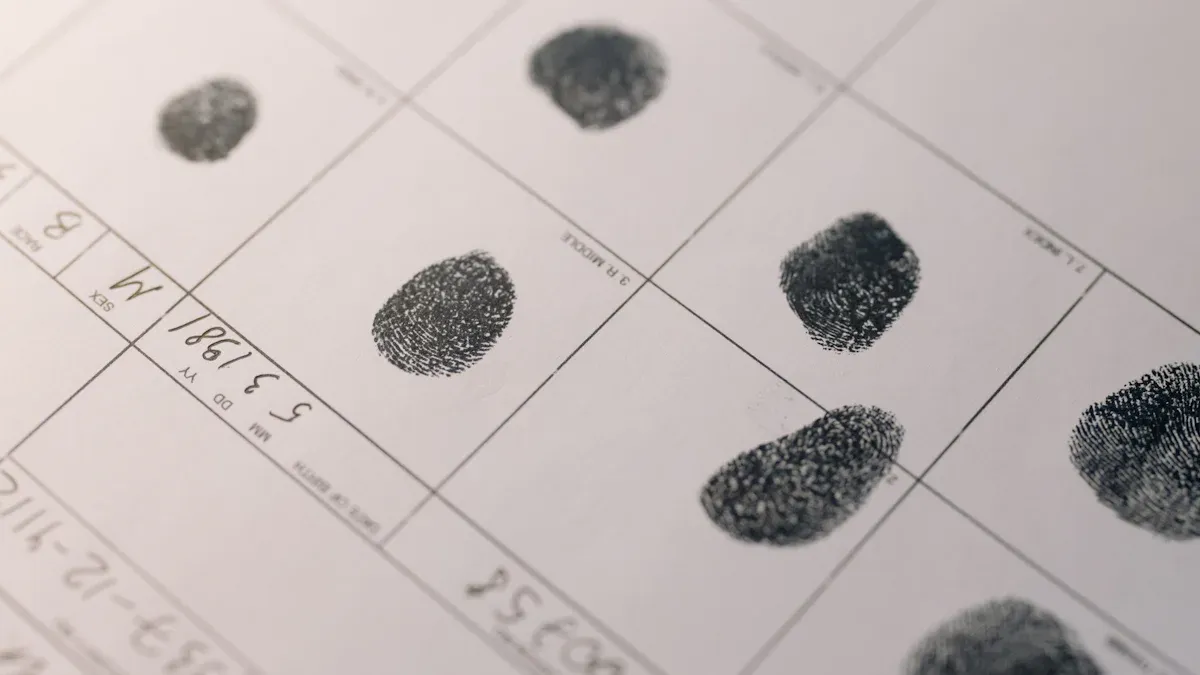
Fingerprint Recognition will change a lot by 2026. Sensors will get smarter. Anti-spoofing will get stronger. More smart devices will use this technology. The market is growing fast, as shown in the table below:
Year | Market Value (Billion USD) |
|---|---|
2022 | 5.32 |
2028 | 15.42 |
New trends affect you, businesses, and privacy in big ways. Many places now use biometrics for access and identity checks. Canadian privacy regulators often warn groups about possible rule problems. There will be more need for anti-spoofing sensors. People will care more about keeping data safe.
Key Takeaways
Fingerprint recognition technology is growing very fast. The market may be worth over $15 billion by 2026. This growth gives new chances to businesses and people.
AI and machine learning help fingerprint systems work better. They make them quicker and more exact. These changes make using them easier and safer every day.
Contactless fingerprint recognition is getting more common. It lets people use it without touching the sensor. This makes things easier and safer in many places.
Privacy and data security matter a lot as more biometric data is collected. People should pick devices that follow strong privacy rules to keep their data safe.
Using eco-friendly biometrics is important for green technology. New materials and ways can help the planet and make devices work better.
Fingerprint Technology Market Trends
Market Size and Growth
The fingerprint technology market is growing quickly. It may be worth over $15 billion by 2026. The CAGR is about 14.3% until 2030. These numbers show the market is not slowing down. Many companies want to invest because they see strong trends. The market is getting bigger in many places.
The fingerprint technology market is not just growing in one area. It is spreading to many countries.
Each region has its own reasons for using fingerprint technology. These trends help the market grow even faster.
Adoption Across Industries
Fingerprint technology is used in many industries. Finance, healthcare, and government use it more each year. The CAGR for fingerprint systems in these areas is about 15% in the last five years. This means more companies and groups want fingerprint technology.
Banks use fingerprint technology for safe transactions.
Healthcare uses fingerprint technology to keep patient data safe.
Government uses fingerprint technology for ID checks and border control.
These industries need fingerprint technology the most. These trends will keep going as more industries see the benefits.
Investment and Innovation
There is a lot of investment in fingerprint technology. Startups and big companies are spending more on research and development. Here are some numbers that show how much the market is worth in different areas:
Market Segment | Current Value (2023) | Projected Value (2028) | CAGR (%) |
|---|---|---|---|
Fingerprint Locks | USD 2.5 billion | USD 4.4 billion | 12% |
Market Segment | Current Value (2025) | CAGR (%) | |
|---|---|---|---|
Fingerprint Recognition Module | USD 6.16 billion | USD 15.36 billion | 16.45% |
The fingerprint technology market is not just about one thing. Many parts of the market are growing at the same time. These trends show there are lots of chances in this market.
Innovation is changing fingerprint technology too. Companies are making new sensors that work better and faster. They use new materials to make sensors bendy and strong. You will see more fingerprint technology in phones and smart home devices. AI-driven algorithms make fingerprint recognition safer and harder to fool. These trends make the market exciting for users and businesses.
You should watch these trends if you want to know what is next in fingerprint technology.
The fingerprint technology market will keep growing as more industries, places, and companies try new ideas. You can expect even more trends to change fingerprint recognition in the future.
Advances in Fingerprint Recognition
AI and Machine Learning
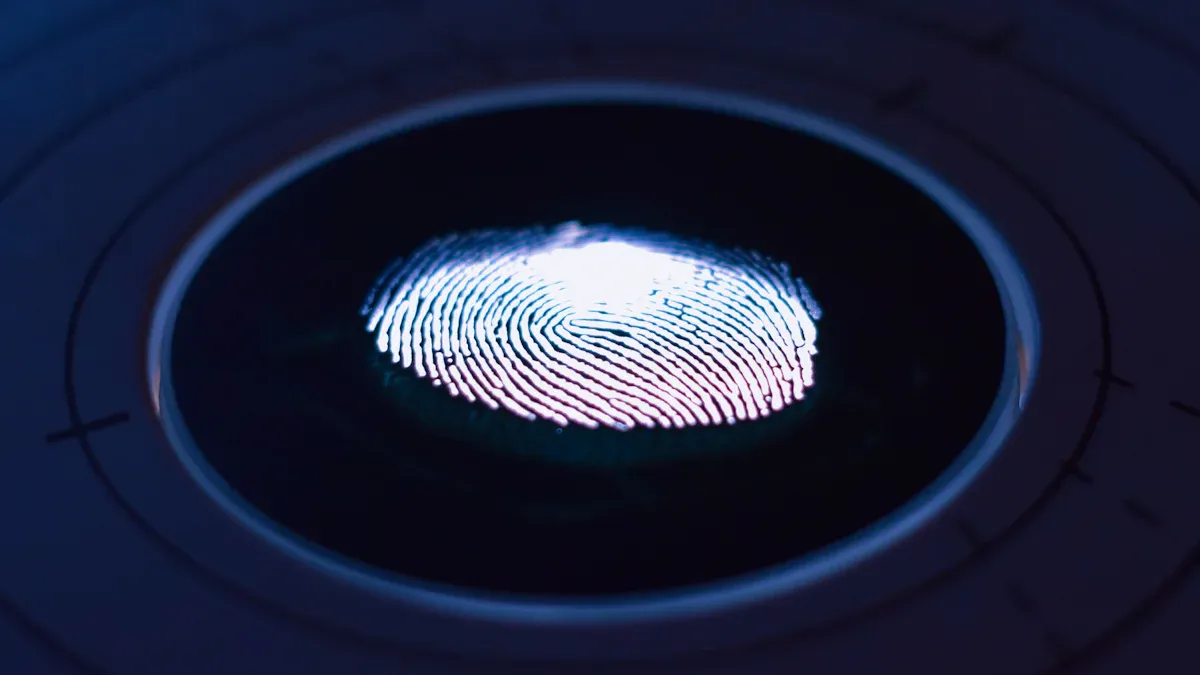
Fingerprint recognition is changing a lot because of artificial intelligence and machine learning. These new tools help systems work faster and better. AI can look at thousands of fingerprints in just a few seconds. Machine learning helps the system make fewer mistakes. It also makes it easier to tell people apart. You use these new features when you unlock your phone or enter a safe place.
Here is a table that shows how AI and machine learning help fingerprint recognition:
Evidence Description | Impact on Fingerprint Recognition |
|---|---|
AI enhances fingerprint analysis by providing faster processing | Increases speed of recognition |
AI's capacity to analyze millions of prints simultaneously | Improves accuracy and efficiency |
AI systems can process thousands of prints in seconds | Surpasses human capabilities in speed |
Machine learning algorithms improve precision of fingerprint matching | Reduces human error in identification |
AI and machine learning keep making fingerprint systems better. Newer algorithms help fingerprint checks get even more accurate. These changes make using technology every day easier and safer.
Sensor Improvements
Better sensors are making fingerprint recognition much stronger. Now, sensors work in more places and last longer. Ultrasonic sensors work well even in hard situations. Optical sensors are smaller now, so devices can be thinner and look nicer. These changes make fingerprint recognition easier to use and more dependable.
You can see how sensors have changed in this table:
Feature | Previous Generations | New Sensor Technologies |
|---|---|---|
Reliability | Limited long-term performance | Proven long-term performance without maintenance |
Temperature Range | Standard operational ranges | Qualified for extreme ranges (-40 °C to 125 °C) |
Image Quality | Higher noise levels | Low noise and high-quality image capture |
User Experience | Basic functionality | Enhanced features for specific applications |
Adaptability | Limited to specific conditions | Improved adaptability to various environments |
Flexible and see-through sensors are also new. These can go into smart cards, wearables, and curved things. AI and machine learning in sensors make them safer and work better. You use these new sensors when you use smart devices or enter safe buildings.
Contactless and Mobile Credentialing
Contactless fingerprint recognition is a big new idea. You do not have to touch the sensor to show who you are. This is popular because people want safer and easier ways to unlock things and use services. The FPC AllKey Ultra FIDO module lets companies add fingerprint checks without needing special skills. This helps more businesses use fingerprint recognition in many ways.
Mobile credentialing is also changing fast. Mastercard and Tencent use fingerprint checks for payments now. This makes paying online safer and quicker. When you pay with your phone, fingerprint recognition checks who you are in seconds. The work between Mastercard and Tencent shows how important biometrics are for online shopping and paying across countries.
Contactless fingerprint checks are now common in phones and public places. More people want easy and safe ways to prove who they are. Because of this, the market for contactless fingerprint checks keeps getting bigger.
Anti-Spoofing and Security
Security problems keep changing, so fingerprint systems must stay ready. You face risks like stolen passwords, fake identities, data leaks, and attacks. New anti-spoofing and security ideas help keep your identity safe.
Here are some ways new systems fight these problems:
Multi-modal biometric verification checks more than one feature.
Liveness detection and anti-spoofing algorithms stop fake fingerprints.
Secure API design and encryption keep your biometric templates safe.
Strong authentication methods make it harder for attackers to break in.
Continuous monitoring of access patterns helps spot unusual activity.
Advanced security technologies like encryption and AI-powered anomaly detection tools add extra layers of protection.
New rules also make companies report problems and test their systems with fake identities. These changes make fingerprint recognition safer for everyone.
Tip: Always update your devices to get the newest security features. This helps keep you safe as technology changes.
Fingerprint recognition keeps getting better because of new ideas in AI, sensors, contactless checks, and security. You will see even more new things in this technology soon.
Sustainable and Ethical Biometrics
Eco-Friendly Technologies
Biometrics are starting to use greener ideas. Companies now pick new materials and ways to make fingerprint recognition devices better for the Earth. One example is all-organic-transistor (AOT) technology. This material makes devices more sensitive and flexible. It also helps the device know if a fingerprint is real or fake. You can find AOT technology in things that bend, like smart cards and wearables.
Feature | Description |
|---|---|
Material | All-organic-transistor (AOT) technology |
Benefits | Increased sensitivity, flexibility, and potential for liveness detection |
Application | Fingerprint recognition on curved surfaces |
When you pick devices with these new materials, you help nature. Eco-friendly biometrics make less trash and use less energy.
Privacy and Data Security
You want to know how your biometric data is used and kept safe. Biometrics hold special details about you, so privacy and safety are very important. New systems use strong codes and safe storage to protect your data from hackers. In the United States, officials can collect many types of biometrics from people who are not citizens. They keep this data for up to 75 years. Now, all travelers must give biometrics, no matter their age. U.S. citizens can say no, but non-citizens cannot. Some people worry that keeping biometrics forever is risky and could be misused.
Measure | Description |
|---|---|
Biometric Data Collection | US authorities collect fingerprints and facial recognition scans |
Data Storage Duration | Data can be stored for up to 75 years for non-citizens |
Removal of Exemptions | All travelers must comply, regardless of age |
Voluntary Participation | US citizens can opt out; non-citizens cannot |
Privacy Concerns | Critics worry about permanence and misuse |
Some states, like Illinois, have rules to protect your biometrics. The Biometric Information Privacy Act (BIPA) tells companies how to get, keep, and destroy your data. Many court cases show people want better privacy laws for biometrics.
Regulatory Developments
Lawmakers talk a lot about how to keep your biometrics safe. Many are worried about collecting more data without enough rules. They fear someone could get your fingerprint data and use it the wrong way. Lawmakers say biometrics last forever, so a leak can cause problems for life. The U.S. does not have one big law for biometrics, so each state makes its own rules. This mix of laws can be confusing and leads to many court fights.
They point out there are not enough rules to keep it safe.
Fingerprints and other biometrics last forever and need strong protection.
You should learn about new rules and pick devices that follow strict privacy and safety rules. Biometrics will keep growing, so people must use them in fair and green ways.
Real-World Applications and Impact
Consumer Devices
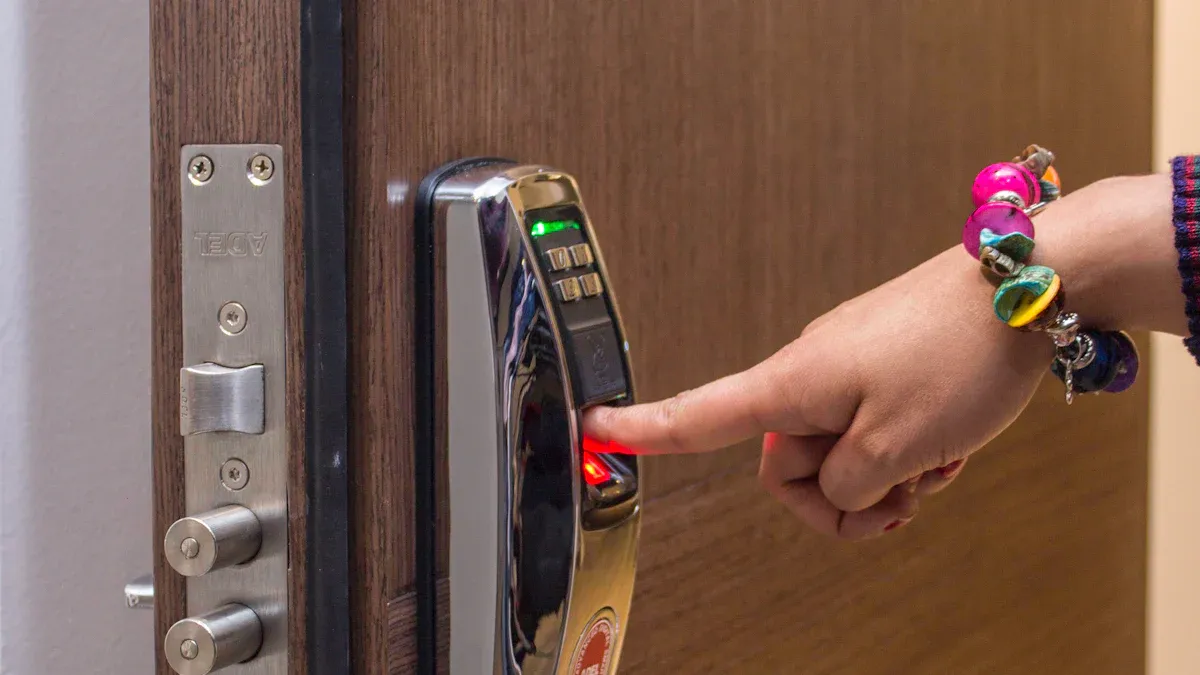
Fingerprint recognition is in many things you use daily. Phones and laptops now have sensors in their screens. These sensors let you unlock your device with just a touch. You can also use fingerprint authentication to pay or sign in to apps.
Optical sensors use light to take a picture of your fingerprint.
Ultrasonic sensors use sound waves to make a 3D fingerprint map. This makes checking your fingerprint safer and more exact.
Fingerprint recognition gives you lots of good things:
You get better security because it uses your own features.
You do not have to remember passwords, which saves time.
You can get into your device and apps much faster.
It helps stop fraud and people pretending to be you.
Some devices use more than one biometric method for extra safety.
Your device can keep checking your fingerprint while you use it.
Financial Services
Banks and money companies use fingerprint recognition to keep your money safe. You use biometric authentication at ATMs, in banking apps, and for online payments. This technology gives you a safer way to get into your accounts.
In Poland, many ATMs use finger vein recognition for safe transactions.
Japanese banks use fingerprint authentication for safety deposit boxes.
Many FinTech companies now ask for biometric checks to open accounts.
You get faster service and do not need to reset passwords as much. Biometric authentication makes it harder for someone to steal your identity. Financial services now use these tools to keep your information safe.
Healthcare and Government
Hospitals and government offices use fingerprint recognition to check who you are. Hospitals add biometric authentication to health records and telehealth systems. This helps doctors and nurses make sure you are the right patient.
Application Area | Description |
|---|---|
Industry Transformation | Hospitals use identity checks for health records and medical devices. |
Challenges | You might see problems with privacy, high costs, and hard systems. |
Opportunities | Remote checks and automation help doctors verify patients. |
Programs like Clear work with Medicare to help you get your health info safely. These uses make it easier to get care and services. You may still have problems, like privacy worries and high prices. Agencies must keep things safe but also easy for everyone to use.
Tip: Always ask if your hospital or government office uses strong biometric authentication. This helps keep your identity and data safe.
Future Outlook for Fingerprint Recognition
Opportunities Ahead
There will be many new chances in fingerprint recognition soon. The market will get bigger as more people and companies use this technology for digital identity and digital ids. Experts think you will see big changes in how you use fingerprint sensors. Contactless fingerprint sensors will let you prove who you are without touching anything. This makes things safer and easier.
Here is a table with some of the best new chances:
Future Opportunities | Description |
|---|---|
Contactless fingerprint sensors | Sensors that scan fingerprints without physical contact. |
AI integration | Artificial intelligence will make verification faster and more accurate. |
Biometric data in cloud systems | You will store and process your digital identity in secure cloud environments. |
Sensor durability and accuracy advancements | Sensors will become stronger and more precise to meet high security standards. |
You will also see better technology with AI-powered matching and multimodal biometrics. These tools will help keep your digital identity safe. The market will grow in Asia Pacific, North America, and other places as more people use digital ids every day.
The technology market will get bigger with new ideas and more digital tools.
AI and better supply chains will help the market grow.
Many places will see long-term growth.
Challenges and Predictions
There will be some problems as fingerprint recognition gets better. Privacy and data safety will be very important. You need to trust that your digital identity and digital ids are safe. Good sensors must work everywhere, but that can be hard. It can cost a lot for some companies to start and keep this technology.
Here is a table that shows the main problems and predictions:
Challenges and Predictions | Description |
|---|---|
You must protect biometric data and follow strict rules. | |
Technological Limitations | Sensors need to work well in many places and conditions. |
Implementation Costs | High costs can slow down how fast you get new technology. |
Innovation and Adaptability | Companies must keep changing to stay ahead in technology. |
Regulatory Changes | New rules may change how you use fingerprint recognition and digital ids. |
You will see more rules about how to use and keep your digital identity. Companies must keep up with these new rules. Experts think technology will keep getting better, but you need to watch out for new risks and rules.
Note: Always check if your devices use the newest technology and follow privacy laws. This helps you keep your digital identity safe as technology changes.
Fingerprint recognition is changing how you keep your identity safe. New technology gives you more ways to protect yourself. You can use your identity for things like paying, health, and travel. There are also problems like privacy and rules about your identity. You should learn about new updates. Pick devices that keep your identity safe. Leaders need to make clear rules for keeping identities safe. Biometrics will keep growing and help you control your identity in the future.
FAQ
What makes fingerprint recognition secure for you?
Fingerprint recognition uses patterns that are only yours. No one else has your fingerprint. This gives you strong protection. Biometric systems check if a fingerprint is real. Fake fingerprints do not work well. You can trust fingerprint technology to keep your devices and accounts safe.
How does fingerprint technology work in daily life?
You use fingerprint sensors on things like phones and laptops. Smart locks also use these sensors. The sensor scans your finger and looks for a match. It checks your fingerprint with saved data. You can unlock devices, pay for things, and sign in to apps. Fingerprint systems make your day easier and safer.
Can someone steal your fingerprint data?
You need to keep your fingerprint data safe. Biometric systems use codes and safe storage. Hackers have a hard time getting your fingerprint information. Always update your devices to stay safe. Pick biometric systems that follow privacy rules. You protect your digital identity by being careful.
Why do banks and hospitals use fingerprint technology?
Banks use fingerprint systems to keep your money safe. Hospitals use fingerprint checks to know who you are. You get faster service and better safety. Biometric checks help stop fraud and keep your information private. You see fingerprint technology in many important places.
What are the benefits of using fingerprint sensors over passwords?
You do not have to remember passwords anymore. Fingerprint sensors let you get in quickly. Your fingerprint is special, so you get better security. Biometric systems make hacking harder. You get simple and safe digital identity management with fingerprint technology.
Tip: Clean your fingerprint sensor often for the best results. This helps you get faster and more exact scans.
Benefit | Fingerprint Sensors | Passwords |
|---|---|---|
Security | Very high | Medium |
Convenience | Easy | Sometimes hard |
Speed | Fast | Slow |
Risk of Forgetting | None | High |
See Also
Essential Display Technologies for Eye Comfort in 2025
Discover BOE's Cutting-Edge Display Innovations for 2025
Six Innovative Smart Home Displays Transforming Our Future