How to Pick the Best Foldable Screen for Your Needs
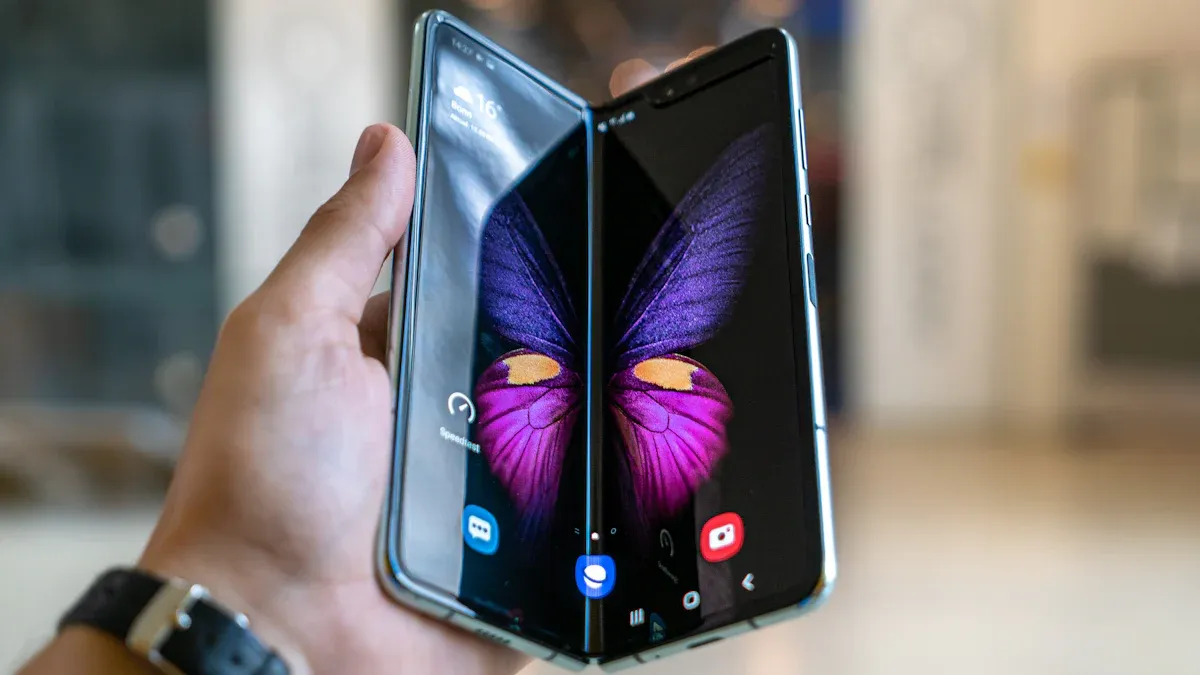
The best foldable screen fits your needs, space, and how you like to watch or use your device. You want to think about where you'll set up your screen. Will you use it at home, in the office, or while traveling? Foldable technology pops up everywhere these days. You see it in smartphones, tablets, car dashboards, and even portable gaming systems. Each foldable option brings its own style and features. Consider these factors as you choose: usage scenario, type of screen, size, material, features, and your budget. Keep your top priorities in mind so you get the best experience possible.
Key Takeaways
Identify your primary use for the foldable screen, whether for home, office, travel, or events, to choose the best fit.
Consider the screen type that matches your needs: portable for travel, fixed for home, or motorized for luxury setups.
Measure your space accurately to select the right screen size, ensuring a comfortable viewing experience.
Evaluate the screen material and features, such as gain and acoustic transparency, to enhance image quality and sound.
Set a budget before shopping to narrow down options and ensure you get the best value for your investment.
Identify Your Foldable Screen Needs
Before you pick a foldable screen, think about how you want to use it. Your main usage scenario shapes your choice. Let’s break down the most common situations.
Home Theater Use
Do you want a true home entertainment viewing experience? A foldable projector screen can turn your living room into a mini cinema. You get a big, clear picture without a permanent setup. If you have a dedicated space, you can choose a larger screen. If your space changes often, a portable foldable projector screen works best. You can set it up for movie nights and pack it away when you need the room for something else.
Office and Business
You might need a foldable screen for presentations, meetings, or video calls. A portable projector screen makes it easy to move from room to room. You can set up quickly and impress your team or clients. If you use the screen often, look for one that folds easily and fits in your office storage. A lightweight frame helps you carry it without hassle.
Travel and Portability
If you travel for work or fun, you want a foldable projector screen that fits in your bag. Look for a compact, portable design. Some screens fold down to the size of a notebook. You can use them in hotel rooms, at client sites, or even outdoors. Quick setup and takedown save you time on the go.
Outdoor and Events
Outdoor movie nights, backyard parties, or big events need a tough foldable screen. Weather can change fast, so you want features that protect your investment. Check out this table for important weather-resistant options:
Feature | Description |
|---|---|
Water Resistance | Keeps water from pooling or seeping through the screen. |
UV Protection | Blocks up to 97% of harmful UV rays for comfort and screen protection. |
Durability Testing | Handles wind, rain, and temperature shifts. |
High-Quality Fabrics | Strong materials stand up to harsh weather. |
Reinforced Frames | Powder-coated aluminum frames add strength and stability. |
Wind Rating | Withstands winds up to 75 mph, better than most traditional screens. |
You can enjoy your projector outside without worrying about sudden rain or strong sun.
Multi-Purpose Use
Maybe you want one foldable screen for everything. You can use it for movies, work, and travel. Look for a screen that balances size, weight, and durability. A portable, easy-to-clean surface helps you switch between uses. You get the most value when your screen fits every part of your life.
Tip: Write down your top three needs before you shop. This helps you stay focused and find the best foldable option for your experience.
Choose the Right Screen Type
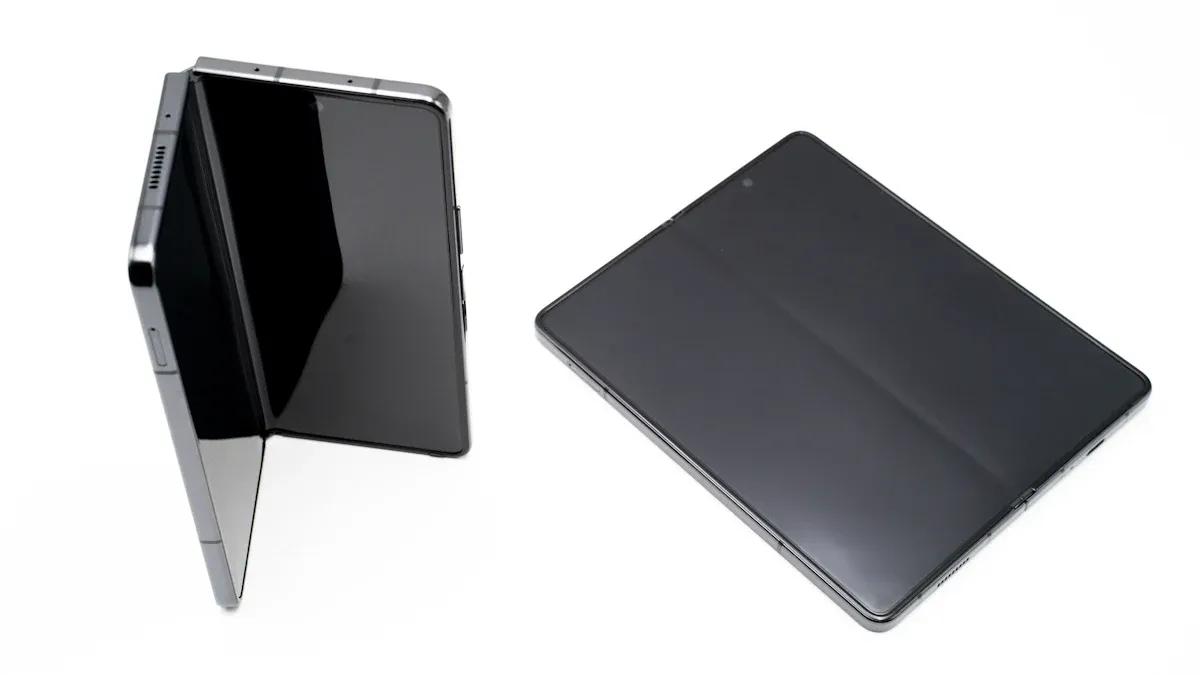
When you want to choose the right screen type, you need to know what each option offers. Every foldable screen brings something different to the table. Let’s break down each type so you can match your needs to the best display.
Fixed Frame Foldable Screen
A fixed frame foldable screen gives you a sturdy, professional look. You set up the frame once, and it stays in place until you take it down. This type works well if you want a dedicated space for your projector. The frame keeps the display surface tight and flat, so you get a crisp image every time.
However, setup takes more effort compared to other types. You need to assemble the frame and attach the display material. If you plan to move your screen often, this type might slow you down. Here’s a quick look at setup times:
Screen Type | Setup Time |
|---|---|
Portable Screens | Quick setup |
Fixed Frame Models | Requires installation work |
If you want a foldable screen that feels permanent but still packs away when needed, this type could be your pick.
Portable Foldable Screen
A portable foldable screen is all about convenience. You can fold it up, carry it anywhere, and set it up in minutes. This type fits people who travel, move between rooms, or need a display for different events. The lightweight frame and flexible display material make it easy to handle.
You don’t need tools or a lot of time. Just unfold, lock the frame, and you’re ready to go. The display might not be as flat as a fixed frame, but you trade a little perfection for a lot of speed and flexibility. If you want to choose the right screen type for on-the-go use, this one stands out.
Motorized Foldable Screen
A motorized foldable screen brings a touch of luxury to your setup. You press a button, and the display rolls down or folds out smoothly. This type works great in home theaters, conference rooms, or any place where you want to impress. The display stays protected inside the case when not in use.
You get a long lifespan with this type. With proper care, motorized foldable screens typically last 10-15 years. The display surface stays clean and wrinkle-free, and you don’t have to touch it every time you use it. The downside? You need access to power, and the price is usually higher than manual options. If you want to choose the right screen type for frequent, hands-free use, motorized models deliver.
Manual Pull-Down Screen
A manual pull-down screen gives you control without the need for electricity. You pull the display down when you need it and let it roll back up when you’re done. This type is simple, reliable, and budget-friendly. You can use it in classrooms, offices, or home setups.
The display surface can wrinkle over time, especially if you use it a lot. Still, you get a solid lifespan if you treat it well. Manual pull-down screens often last for years, making them a smart choice if you want to choose the right screen type without breaking the bank.
Foldable LED Screen
Now, let’s talk about the foldable led screen. This type changes the game for events, business, and even home use. A foldable led display uses advanced led panels that fold and unfold, creating a seamless, bright display. You can build massive screens for concerts, trade shows, or outdoor movie nights.
Why do people love the foldable led display? The highlighted benefits of foldable led display include immersive experiences and vibrant visuals. The display stays bright and clear, even in daylight. You can set up the foldable led screen fast, thanks to its modular design. The display adapts to any space, big or small.
Here are some reasons to choose the right screen type with a foldable led display:
Immersive experiences: The display pulls your audience in and keeps them engaged.
Fast setup and flexibility: You can build the display in different shapes and sizes.
Brightness: The led panels shine, even in bright rooms or outdoors.
Long-term value: The display lasts for years and needs little maintenance.
Technological evolution: Modern foldable led display systems work with smart controls for dynamic content.
Sustainability: The display uses less energy and supports eco-friendly events.
Dynamic content flexibility: You can show videos, slides, or interactive media on the display.
Weather resistance: The display stands up to rain, wind, and sun.
Audience engagement: Interactive features make the display fun and memorable.
Cost-efficient advertising: You can update the display content anytime, saving money on signs.
If you want to choose the right screen type for big impact, the foldable led screen leads the way. The display offers unmatched flexibility, visibility, and wow factor. You can use the foldable led display for concerts, sports, business expos, or even as a giant home theater. The highlighted benefits of foldable led display make it a top pick for anyone who wants the best in modern display technology.
Tip: When you choose the right screen type, think about how often you’ll move the display, the size you need, and the kind of experience you want to create. The right type makes every event or movie night unforgettable.
Choose the Right Screen Size
Picking the right size for your foldable screen can make or break your viewing experience. You want your projector setup to feel comfortable, immersive, and easy to use. Let’s walk through the steps to choose the right screen size for your space and needs.
Measure Your Space
Start by measuring your room or area where you plan to use the foldable screen. Grab a laser measure for the most accurate results. You can get precision up to ±1mm at 30 meters, which helps you avoid mistakes. Check the width and height of your wall or mounting surface. Make sure the surface is flat—use a digital angle gauge to spot any uneven spots. If you plan to hang your projector screen, verify the wall can handle the weight. Most walls should support at least 15kg per square meter.
Here’s a quick table to help you pick the right tools:
Tool | Purpose | Recommended Specs |
|---|---|---|
Laser Measure | Distance accuracy | ±1mm at 30m |
Digital Angle Gauge | Surface flatness | 0.1° precision |
Load Cell | Weight distribution | 100kg capacity |
You also want to check for power outlets and data access. Try to keep outlets within 5 meters of your projector setup. This makes your foldable screen installation smooth and hassle-free.
Tip: Write down your measurements before you shop. You’ll save time and avoid buying a screen that’s too big or too small.
Optimal Viewing Distance
Now, let’s talk about the ideal viewing distance. You want your projector screen to match your room and audience. If you sit too close, the image looks pixelated. If you sit too far, you miss the details. Industry standards like SMPTE and THX offer formulas to help you choose the right screen size.
Check out this table for quick reference:
Standard | Viewing Angle | Distance Formula |
|---|---|---|
SMPTE (cinema) | 30° | Distance = Screen × 1.9 |
THX (certified) | 36° | Distance = Screen × 1.5 |
THX (max) | 40° | Distance = Screen × 1.3 |
If you want a simple rule, use your viewing distance in feet and multiply by 4, 5, or 6. Multiply by 4 for minimum readable size, by 5 for comfortable viewing, and by 6 for immersive impact. For example, if you sit 8 feet away, a 40-inch diagonal screen gives you clear viewing. A 48-inch screen feels comfortable, and a 56-inch screen creates a cinematic experience.
Here’s a quick list for minimum viewing distance by resolution:
720p HD: 7 feet
1080p FHD: 4.5 feet
4K UHD: 2.3 feet
8K: 1.1 feet
If you use a foldable projector screen, you can adjust your setup for different rooms and audiences. You get flexibility and comfort every time.
Note: The ideal viewing distance depends on your screen resolution and room layout. Try different setups to find what feels best for you.
Common Foldable Screen Sizes
You’ll find many sizes when you shop for a foldable screen. The most popular options range from small portable screens to large home theater displays. Here’s a quick rundown:
Portable projector screens: 30 to 60 inches. These fit in small rooms, offices, or travel bags.
Medium foldable screens: 70 to 100 inches. Perfect for living rooms, classrooms, or outdoor events.
Large foldable screens: 120 to 150 inches. Great for home theaters, big presentations, or immersive experiences.
If you want to choose the right screen size, match your screen to your room and audience. A portable screen works well for travel or small spaces. A larger foldable screen creates a wow factor for movie nights or business events.
You can use this simple formula to choose the right screen size:
Screen Diagonal (inches) = Viewing Distance (feet) × 5
If your room is 10 feet deep, a 50-inch foldable screen gives you comfortable viewing. Adjust the formula for your space and needs.
Callout: Don’t forget to check your projector’s throw ratio. Some projectors need more space to create a big image. Make sure your foldable screen fits your projector’s specs.
Choosing the right screen size helps you get the best viewing experience. You’ll enjoy movies, presentations, and games without straining your eyes or missing details. Take your time, measure your space, and pick a foldable screen that fits your life.
Select Screen Material and Features
Choosing the right material and features for your foldable screen makes a big difference in your viewing experience. You want to match your projector setup to your space and needs. Let’s break down the features that matter most.
Screen Color and Gain
Screen color and gain affect image quality and brightness. You might see white or gray screens. White screens offer balanced color and high-quality viewing. Gray screens boost contrast in rooms with lots of light. Gain measures how much light the screen reflects. Higher gain screens make images brighter, which helps in bright rooms or with low-lumen projectors. Lower gain screens give better color accuracy, perfect for home theaters.
Home theaters often use lower gain screens for true colors.
Bright conference rooms need higher gain screens to fight ambient light.
Educational spaces benefit from balanced gain screens for moderate lighting.
High-gain screens can cause “hot spotting.” The center looks much brighter than the edges. This can ruin image quality and distract viewers.
Acoustic Transparency
Acoustic transparency is a feature you want if you place speakers behind your foldable screen. The screen lets sound pass through without blocking it. You get clear audio and high-quality viewing. This feature works well in home theaters and professional setups. You won’t lose sound quality, and your projector display stays sharp.
Touch Sensitivity
Touch sensitivity is a feature that turns your foldable screen into an interactive tool. You can swipe, tap, and draw right on the screen. This boosts engagement in presentations and classrooms. Touch screens mimic natural gestures and give instant feedback. You keep your audience interested and make your projector setup more dynamic.
Aspect | Description |
|---|---|
Intuitive Use | Mimics natural gestures and actions. |
Immediate Feedback | Provides instant tactile responses. |
Enhanced Engagement | Sustains user interest through direct manipulation. |
Touch screens enhance audience engagement.
They allow dynamic, interactive experiences.
Integration in audio-visual setups streamlines control.
Device Compatibility
Device compatibility is a feature you can’t ignore. You want your foldable screen to work with laptops, tablets, smartphones, and projectors. Check for HDMI, USB, and wireless options. This feature makes your setup flexible and future-proof. You can switch devices without hassle and enjoy high-quality viewing every time.
Tip: Write down the features you need most. This helps you focus on what matters and get the benefits you want from your foldable screen.
Evaluate Build Quality and Durability
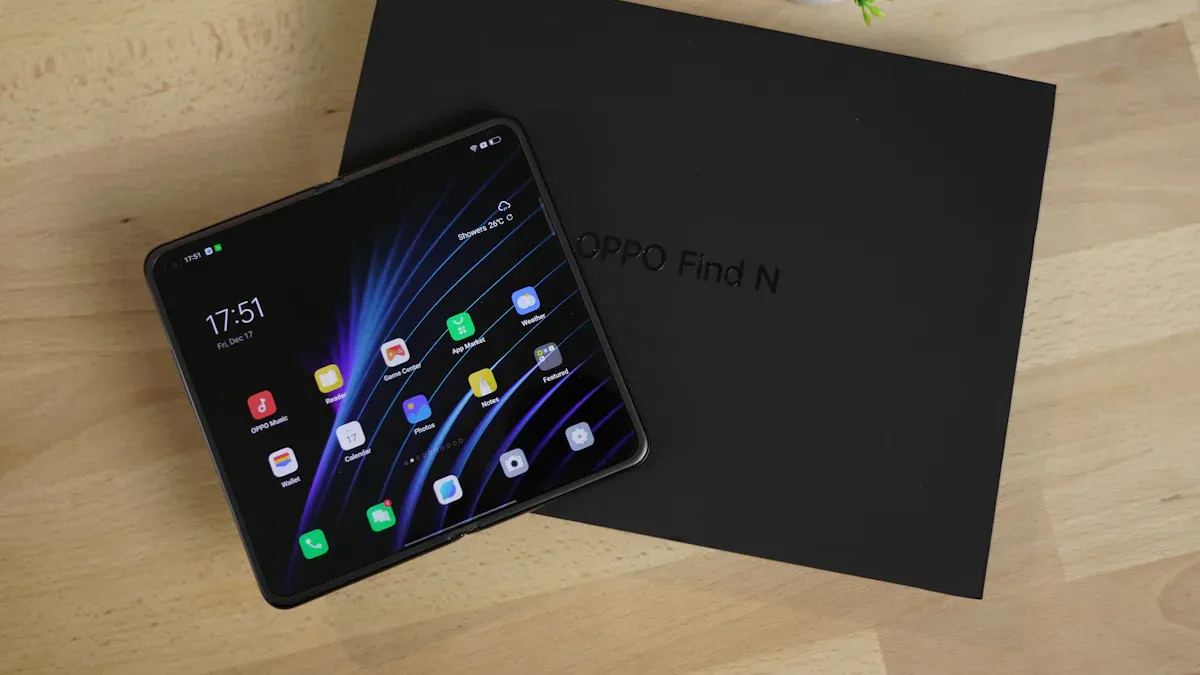
Frame and Surface Materials
You want your foldable screen to last. The frame and surface materials play a huge role in durability. When you look at high-quality projector screens, you’ll notice that manufacturers use advanced materials for the frame. Titanium stands out because it’s strong, rigid, and lightweight. This means you get a sturdy frame that doesn’t add much weight to your setup. Some screens also use shock-resistant structures inspired by bulletproof glass. These designs help absorb impacts and keep your foldable display safe during transport or setup.
Here’s a quick look at common frame materials:
Material | Properties |
|---|---|
Titanium | Strength, rigidity, lightweight, contributes to overall durability |
Shock-resistant structure | Inspired by bulletproof glass, enhances durability and shock absorption |
For the screen surface, you want a material that resists wrinkles and stains. Many projector screens use PVC or woven fabrics. These surfaces stay smooth and clean, even after many folds. You get a better viewing experience every time you set up your projector.
Tip: Choose a foldable screen with a reinforced frame and a high-quality surface. This combo gives you peace of mind and a crisp image.
Longevity and Maintenance
You want your foldable projector screen to last for years. Longevity depends on how you use and care for your screen. Always fold and unfold the display gently. Store it in a dry, cool place to prevent mold or warping. Clean the surface with a soft cloth and mild cleaner. Avoid harsh chemicals that can damage the material.
Regular maintenance keeps your projector screen looking new. Check the frame for loose parts or dents. Tighten screws and inspect the shock-resistant structure if your screen has one. If you use your foldable display outdoors, wipe it down after each event. This prevents dirt and moisture from building up.
A well-maintained foldable screen gives you a reliable viewing experience for movies, meetings, or events. You save money in the long run because you won’t need to replace your projector setup often.
Callout: Take care of your foldable screen, and it will deliver sharp images and smooth performance for years.
Consider Portability and Battery Life
Weight and Foldability
You want a foldable screen that feels easy to carry and set up. Weight matters when you move your screen from room to room or take it on the road. Many foldable screens use lightweight materials like aluminum or titanium for the frame. This makes the screen strong but not heavy. You can fold the screen quickly and pack it in a bag or case. Some screens fold down to the size of a notebook. You get more freedom to use your projector anywhere.
If you plan to travel, check the folded size and weight before you buy. A compact foldable screen fits in your backpack or suitcase. You can set up your screen in a hotel, classroom, or outdoor space. Look for handles or carrying cases that make transport easier. You save time and energy when your screen folds smoothly and stays light.
Tip: Try lifting the screen before you buy. If it feels comfortable, you’ll enjoy using it for every viewing experience.
Battery Life for Foldable Screens
Battery life plays a big role in how long you can use your foldable screen without plugging in. You don’t want your screen to die during a movie or presentation. Foldable LED screens usually offer 8 to 10 hours of usage on a single charge. This gives you enough time for long events, outdoor movie nights, or business meetings.
You can watch movies all evening without worrying about power.
You get reliable performance for presentations and events.
You avoid interruptions during your viewing experience.
If you use your foldable screen outdoors, check the battery specs. Some screens show battery status on a display. You can plan ahead and charge your screen before big events. A long battery life means you get more flexibility and less stress.
Note: Always carry a charger or power bank if you plan to use your foldable screen for extended periods.
Set Your Budget and Compare Prices
Price Ranges for Foldable Screens
You want to know how much a foldable screen will cost before you make a decision. Prices can vary a lot, depending on the features and quality you need. Entry-level models give you basic foldable features and a simple screen for casual use. Mid-range options add more durability and better display quality. Premium screens offer advanced technology and a top-notch viewing experience.
Here’s a quick look at the price ranges for 2024:
Category | Price |
|---|---|
Entry-level | |
Mid-range | $1,699.99 |
Premium | $1,799 |
If you want a foldable projector screen for home or travel, entry-level models might fit your budget. Mid-range screens work well for business or frequent use. Premium screens deliver the best performance and features, but you pay a higher cost.
Tip: Set your budget before you shop. This helps you narrow down your choices and avoid overspending.
Value for Money
You want to get the best value against your money. It’s not just about the price. You need to look at what each foldable screen offers. Some affordable models, like the motorola razr, give you essential foldable features and a durable design for under $550. Premium models, such as the Samsung Galaxy Z Fold7 and Google Pixel 10 Pro Fold, provide advanced multitasking, superior durability, and high-quality displays.
Check out this table to compare features:
Model | Price Range | Key Features |
|---|---|---|
Samsung Galaxy Z Fold7 | Premium | Advanced multitasking, superior durability, high-quality display. |
Google Pixel 10 Pro Fold | Premium | Versatile smartphone experience, high-quality display, advanced features. |
motorola razr | Affordable | Essential foldable features, durable design, compact size, accessible price under $550. |
You need to decide which features matter most for your screen. If you want a foldable screen for everyday use, an affordable model might be enough. If you want the best viewing experience and multitasking, a premium screen makes sense.
Callout: Always compare the features and durability before you buy. You want a foldable screen that fits your needs and gives you the best value for your money.
You have everything you need to pick the right foldable screen. Start by thinking about your needs, then look at screen type, size, and features. Check the build quality and portability. Set your budget. Use this checklist to guide your search:
Technological capabilities
Market strategies
Product portfolios
Partnerships
The best screen matches your space, projector, and viewing style. Trust your priorities. You will enjoy a better experience every time you set up your foldable display.
FAQ
What’s the best foldable screen for travel?
You want a lightweight, compact screen. Look for models that fold down to notebook size. Portable screens with carrying cases make your trips easier. Quick setup and sturdy materials help you enjoy movies or presentations anywhere.
How do I clean my foldable screen?
Use a soft, dry cloth. Avoid harsh chemicals. For stubborn spots, dampen the cloth slightly. Always fold the screen gently after cleaning. You keep the surface smooth and extend its life.
Can I use a foldable screen outdoors?
Yes! Many foldable screens work outside. Choose one with water resistance and UV protection. Check the wind rating if you plan to use it during breezy days. You get a reliable display for backyard movies or events.
Do foldable screens work with all projectors?
Most foldable screens support standard projectors. Check the screen’s compatibility for HDMI, USB, or wireless connections. You can use laptops, tablets, or smartphones with the right adapters. Always review the specs before buying.
See Also
Essential Advice for Selecting Your Ideal Gaming Display
Seven Key Tips for Choosing the Best 8K Monitor
Leading Touch Screen Brands to Watch in 2025