How to Choose the Right Video Wall for Your Business in 2026
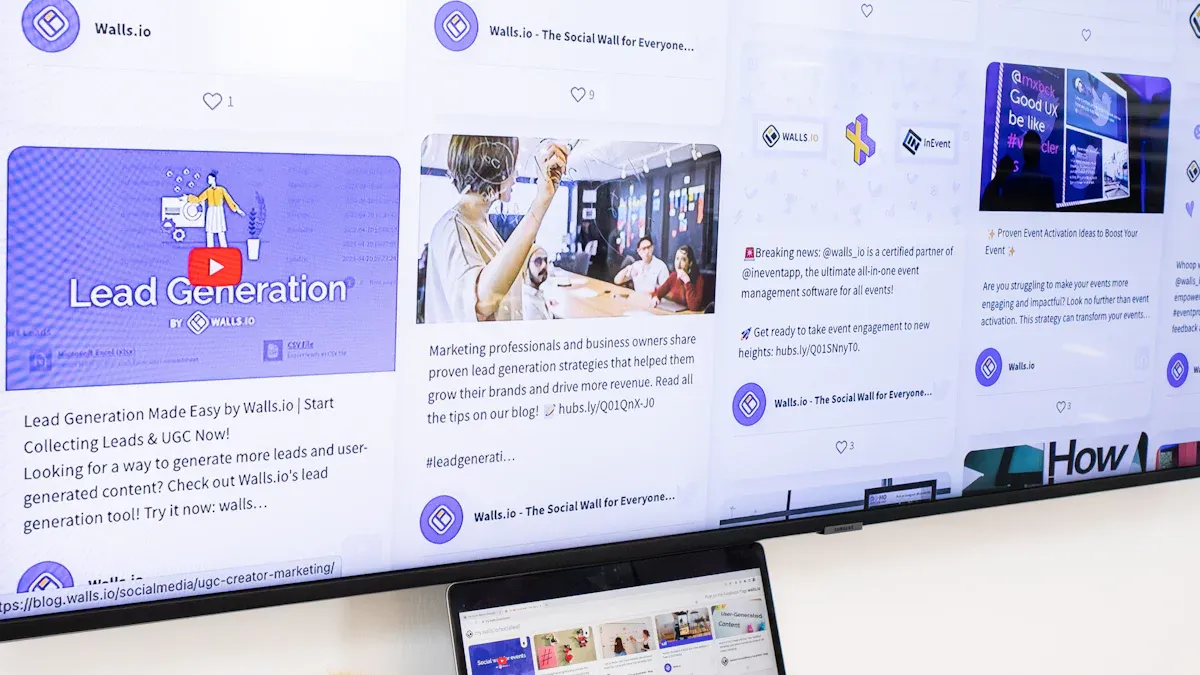
You need to choose a video wall that aligns with your business goals and environment. Start by assessing your space, audience, and content demands. Select LED or LCD based on your specific lighting conditions and how you want your visuals to appear. The right technology will help you deliver impactful messages and create a modern atmosphere. Make your decision with clarity and confidence.
Key Takeaways
Assess your space and audience needs before choosing a video wall. This ensures the technology aligns with your business goals.
Consider LED for seamless visuals and high brightness, especially in bright environments. Choose LCD for cost-effectiveness and standard layouts.
Evaluate pixel pitch for image quality. A smaller pitch offers sharper visuals for close viewing, while a larger pitch is suitable for distant audiences.
Plan your budget carefully. Balance initial costs with long-term value, considering maintenance and energy efficiency.
Request a site survey from your provider to ensure the video wall fits your space and meets technical requirements.
Choosing the Right Technology for Your Video Wall
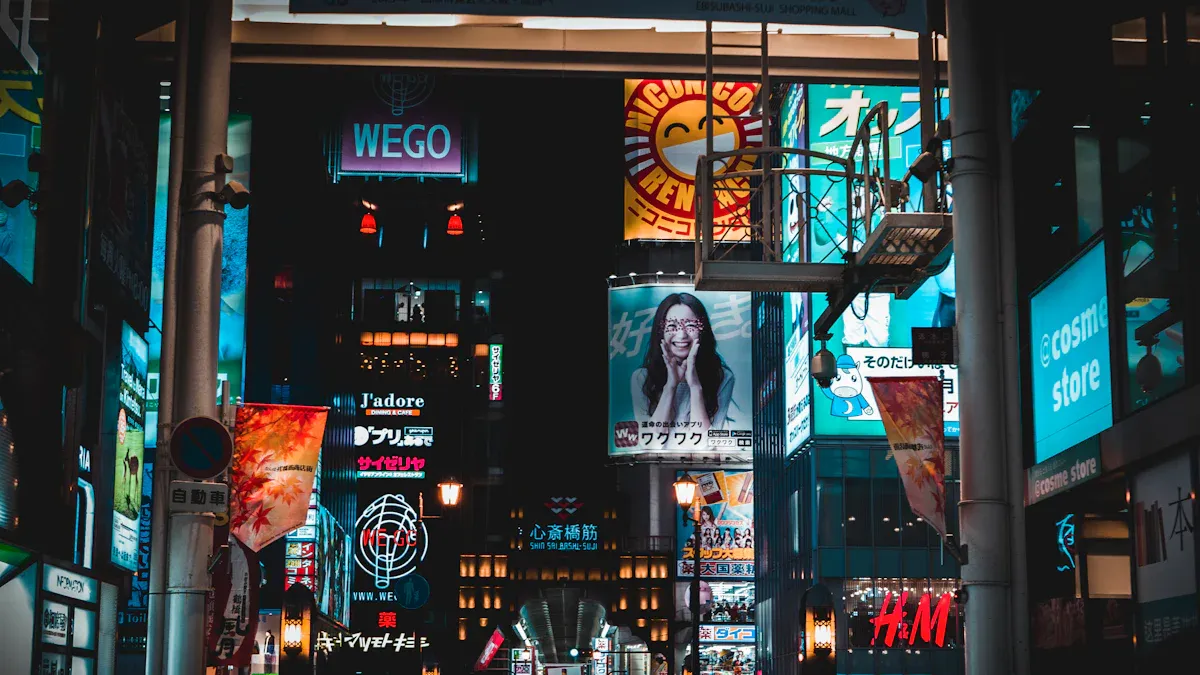
LED vs. LCD: Key Differences
You face a crucial decision when selecting a video wall: choosing between LED and LCD. Each display technology offers unique strengths for business environments. LED video wall solutions use light-emitting diodes to create bright, seamless visuals. You benefit from high contrast, vibrant colors, and flexible sizing. LED panels can curve or fit custom shapes, which gives you creative freedom for your space.
LCD video walls use liquid crystal displays. These panels work well for standard rectangular layouts. You get sharp images and reliable performance, especially in controlled lighting. LCDs often cost less upfront, which appeals to budget-conscious businesses. However, you may notice bezels (seams) between panels, which can interrupt content.
Tip: If you want a seamless, modern look, consider an LED video wall. For traditional layouts and lower costs, LCD might suit your needs.
Brightness, Seams, and Viewing Distance
You must evaluate three technical factors before you choose the right technology for your video wall:
Brightness: LED video wall systems deliver higher brightness levels than LCD. This feature matters if you install your video wall in a space with strong ambient light, such as a lobby or storefront. You ensure your content remains visible and engaging, even in daylight.
Seams (Bezels): LED video wall panels can create a virtually seamless display. You avoid distracting lines that break up your visuals. LCD panels have visible bezels, which may affect the impact of your message, especially for large-scale or immersive content.
Viewing Distance: Pixel pitch determines how close your audience can stand to the screen without seeing individual pixels. LED video wall options offer a range of pixel pitches. You select a fine pitch for close viewing, such as in control rooms, or a larger pitch for distant viewing, like in auditoriums. LCD video walls usually provide high resolution but may not match the seamlessness of LED at large sizes.
Feature | LED Video Wall | LCD Video Wall |
|---|---|---|
Brightness | Very High | Moderate to High |
Seams | Seamless or Nearly Seamless | Visible Bezels |
Viewing Distance | Flexible (depends on pitch) | Good for close viewing |
Cost and Maintenance Factors
You need to balance your investment with long-term value. LED video wall systems often require a higher initial investment than LCD. However, you gain advantages in durability and energy efficiency. LED panels last longer and consume less power, which reduces your operating costs over time.
Maintenance also differs. You can replace individual LED modules without dismantling the entire wall. This feature minimizes downtime and service expenses. LCD video walls may need full panel replacements if issues arise, which can increase maintenance costs.
Note: If you plan to expand your video wall in the future, LED video wall solutions offer better scalability. You can add panels or reconfigure layouts with minimal disruption.
You should always match the right technology to your business goals, environment, and budget. By understanding these differences, you make an informed choice that supports your brand and delivers lasting impact.
Essential Technical Factors for LED Video Walls
Pixel Pitch and Image Quality
You must pay close attention to pixel pitch when selecting a dvled video wall. Pixel pitch measures the distance between the centers of two adjacent pixels. A smaller pixel pitch means a higher pixel density, which leads to sharper visuals. If your audience stands close to the dvled display, you need a dvled solution with a fine pixel pitch. This ensures that viewers see smooth images without visible gaps. You improve image quality and create a more immersive experience. For large spaces, you can choose a dvled wall with a wider pixel pitch, which reduces cost while still delivering clear content from a distance.
LED Binning, Wiring, and Build Quality
You should evaluate the manufacturing process behind your dvled panels. LED binning refers to the sorting of LEDs by brightness and color. High-quality dvled products use precise binning to ensure uniform color and brightness across the entire wall. You avoid distracting inconsistencies in your visuals. Internal wiring also plays a critical role. Well-designed dvled wiring reduces the risk of failures and extends the lifespan of your investment. Build quality matters for durability. You want dvled panels from reputable manufacturers who use robust materials and advanced engineering. This approach minimizes maintenance and maximizes uptime.
Tip: Always request technical specifications and quality certifications from your dvled provider before making a decision.
Size and Application Fit
You must match the size and technical specifications of your dvled video wall to your business application. For retail environments, a dvled wall with higher pixel density and vibrant colors attracts customers and highlights promotions. In corporate settings, you may need a dvled solution that supports detailed presentations and real-time data. Hospitality venues benefit from large-format dvled displays that enhance ambiance and deliver dynamic content. Consider the available space, viewing angles, and integration with existing systems. You ensure that your dvled investment aligns with your goals and delivers maximum value.
Matching Video Wall Features to Business Needs
Use Cases: Retail, Corporate, Hospitality
You must align your video wall features with your business goals. In retail, you can use a video wall to attract customers and highlight promotions. Bright colors and dynamic content increase engagement. For corporate environments, you need clear visuals for presentations and data sharing. A seamless display helps your team focus on important information. Hospitality venues benefit from large displays that create ambiance and provide wayfinding. You can use interactive features to enhance guest experiences.
Example: A hotel lobby uses a video wall to display local attractions and event schedules. This approach improves guest satisfaction and streamlines communication.
You should consider the specific applications for your industry. Retailers often prioritize high brightness and vivid colors. Corporate offices value clarity and reliability. Hospitality spaces require flexible layouts and easy content updates.
Environmental and Space Considerations
You must evaluate your installation environment before making a decision. Lighting conditions affect display performance. Bright lobbies or storefronts need high-brightness panels. Smaller meeting rooms work well with lower brightness and finer pixel pitch. You should measure available wall space and viewing distance. Large open areas support bigger displays, while compact spaces need smaller panels.
You must also factor in cost when planning your project. High-end features increase initial investment, but they may reduce long-term expenses. Energy-efficient panels and modular designs lower maintenance costs. You should balance your budget with your business needs to achieve the best results.
Tip: Always request a site survey from your provider. This step ensures your video wall fits your space and meets your technical requirements.
You can maximize the impact of your investment by matching features to your environment and business goals.
Planning Your First Video Wall

Defining Goals and Budget
You start planning your first video wall by setting clear objectives. Identify what you want to achieve, such as improving communication in an operations center or creating seamless visuals for a retail space. Write down your functional and budget goals. You need to determine how much you can invest and what features matter most. Make a list of must-have specifications, including display size, resolution, and brightness. Use a table to compare options and estimate costs:
Feature | Priority | Estimated Cost |
|---|---|---|
Display Size | High | $$ |
Pixel Pitch | Medium | $ |
Integration | High | $ |
Tip: You maximize value by focusing on cost-effective solutions that meet your business needs.
Installation and Integration Tips
You prepare for installation by reviewing your site layout and technical requirements. Measure wall space and check power sources. Choose a direct-view led system if you want flexibility and minimal seams. Coordinate with your IT team to ensure compatibility with existing software and hardware. Schedule installation during low-traffic hours to minimize disruption. Create a checklist for each step:
Confirm wall dimensions.
Verify electrical and network access.
Test content management systems.
Plan for future upgrades.
Note: You achieve seamless visuals by aligning panels precisely and calibrating color settings.
Support and Maintenance Planning
You protect your investment by planning for ongoing support. Select a provider with reliable service and clear maintenance policies. Ask about warranty terms and replacement parts. Set a schedule for routine inspections and cleaning. Train your staff to operate the video wall and troubleshoot basic issues. Keep contact information for technical support handy.
Callout: You reduce downtime and control budget by choosing a system with modular components and easy access for repairs.
You ensure your video wall delivers consistent performance by following these steps. Careful planning helps you meet your functional and budget goals while supporting long-term business growth.
You can choose the right video wall by focusing on your goals, environment, and technical requirements. Match technology and features to your business needs for the best results. Review each step in this guide before making a decision.
For expert advice, consult a video wall specialist or start your planning process today. Your investment will drive engagement and support your business growth.
FAQ
What is the main difference between LED and LCD video walls?
You will notice that lcd video walls use liquid crystal displays, while LED walls use light-emitting diodes. Lcd panels often have visible bezels. LED panels offer seamless visuals. You should choose based on your space, content, and budget.
How do I maintain an LCD video wall?
You should clean lcd screens with a soft, dry cloth. Avoid harsh chemicals. Schedule regular inspections for lcd panel alignment and color consistency. Replace faulty lcd modules promptly. You extend the lifespan of your lcd system with routine care.
Can I use LCD video walls in bright environments?
You can use lcd video walls in many settings. However, lcd panels may struggle in direct sunlight or very bright spaces. You should consider the brightness rating of your lcd display. For high ambient light, you may need additional shading or a higher-brightness lcd solution.
What is the typical lifespan of an LCD video wall?
You can expect lcd video walls to last between 30,000 and 60,000 hours. The actual lifespan depends on usage, lcd quality, and maintenance. You should follow manufacturer guidelines to maximize the longevity of your lcd investment.
Are LCD video walls easy to expand or reconfigure?
You can expand lcd video walls by adding more lcd panels. However, you may see visible seams where lcd panels meet. You should plan your lcd layout carefully. For flexible configurations, you may want to compare lcd with other technologies.
See Also
Deciding on LED Versus LCD Video Walls for Companies
Guidelines for Picking the Ideal Smart Board in 2025
Best Digital Signage Screens for Business Use Cases