What is SGS Low-Glare Certification and why it matters
You spend hours in front of screens every day. Glare and blue light can cause your eyes to feel tired, dry, or irritated. SGS Low-Glare Certification sets a standard for display products that reduce glare, making your viewing experience safer and more comfortable. Many users face digital eye strain.
The American Optometric Association reports that over 50% of computer users experience this daily.
During the COVID-19 era, the prevalence increased to as much as 94%.
Understanding this certification helps you choose products that protect your eyes and enhance comfort.
Key Takeaways
SGS Low-Glare Certification reduces glare and blue light, making screen time safer and more comfortable.
Look for the SGS green mark and QR code on products to verify their certification and ensure eye protection.
Choosing certified displays can significantly reduce eye strain and visual fatigue during long hours of use.
Manufacturers benefit from SGS certification by attracting customers who prioritize eye health and comfort.
Certified displays offer features like anti-glare technology and improved visibility in bright light, enhancing your viewing experience.
SGS Low-Glare Certification Overview

What Is SGS Low-Glare Certification
You encounter glare on screens every day. SGS Low-Glare Certification sets a clear standard for display products that minimize glare and blue light. This certification comes from SGS, a global leader in inspection and testing. You can trust that products with this certification meet strict criteria for reduced glare. The goal is to help you enjoy safer and more comfortable screen time.
Tip: If you want to protect your eyes from digital strain, look for displays with SGS Low-Glare Certification.
Certification Process
You may wonder how a product earns SGS Low-Glare Certification. The process involves several steps:
The manufacturer submits the display product for testing.
SGS experts measure glare and blue light levels using specialized equipment.
The product must meet or exceed the required standards for low glare.
SGS issues the certification if the product passes all tests.
This process ensures that only displays with proven performance receive SGS Low-Glare Certification. You can rely on these products for consistent quality.
Step | Description |
|---|---|
1 | Submission of product for testing |
2 | Measurement of glare and blue light |
3 | Evaluation against standards |
4 | Certification granted if standards are met |
Global Recognition
SGS Low-Glare Certification holds global recognition. You find certified products in many countries and regions. Manufacturers value this certification because it signals quality and safety to consumers everywhere. You benefit from a consistent standard, whether you shop locally or internationally.
Note: Global recognition means you can trust SGS Low-Glare Certification no matter where you buy your display.
Why SGS Low-Glare Certification Matters
Reducing Visual Fatigue
You notice your eyes feeling tired after long hours in front of screens. Visual fatigue often results from glare and excessive brightness. SGS Low-Glare Certification addresses this problem by setting standards that limit glare and optimize screen brightness. Scientific studies show that adjusting screen brightness and color improves visual comfort and reduces fatigue. High brightness contrast also enhances your visual experience. You can see the findings in the table below:
Evidence Description | Findings |
|---|---|
Effects of screen brightness and color on visual fatigue | Optimizing screen brightness and color can improve visual comfort and reduce fatigue, suggesting a potential link to low-glare displays. |
Brightness contrast as a factor in visual experience | High brightness contrast is associated with a better visual observation experience, which may relate to the benefits of low-glare displays. |
When you choose a display with SGS Low-Glare Certification, you get a product designed to minimize visual fatigue. You enjoy longer screen time with less discomfort.
Eye Health Benefits
You want to protect your eyes from strain and irritation. Displays that reduce glare and blue light help you achieve this goal. SGS Low-Glare Certification ensures that products meet strict requirements for both glare and blue light reduction. Research shows several benefits:
Blue-light-filtering lenses may lead to modest improvements in visual comfort and photostress recovery, especially in high-glare environments.
Users of blue light glasses report reduced eye strain and headaches, indicating potential benefits for those exposed to digital screens.
You experience fewer symptoms like dryness, irritation, and headaches when you use certified displays. SGS Low-Glare Certification supports your eye health by promoting safer screen technology.
Tip: You can improve your daily comfort and protect your vision by choosing displays that meet SGS Low-Glare Certification standards.
Product Quality
You expect reliable performance from your devices. SGS Low-Glare Certification signals that a product has passed rigorous testing for glare and blue light reduction. Manufacturers must meet strict criteria to earn this certification. You benefit from consistent quality and safer technology. Certified products deliver a better viewing experience and help you avoid common issues like eye strain and discomfort.
Note: You can trust that displays with SGS Low-Glare Certification offer proven quality and enhanced comfort.
Benefits for Users and Brands
User Comfort and Safety
You want a display that keeps your eyes comfortable and safe during long hours of use. Devices with SGS Low-Glare Certification offer several features that support your well-being:
TCL 50 NXTPAPER phones use advanced technology to adapt to different lighting conditions. This reduces glare and harmful blue light.
These displays come with certifications from SGS, TÜV, and Eyesafe. You can trust that they promote healthy viewing habits.
Features like automatic color temperature controls and Night Light mode help you avoid eye strain, even during extended use.
You can enjoy your favorite content without worrying about discomfort or eye fatigue. These features make your daily screen time safer and more pleasant.
Manufacturer Advantages
You may wonder what benefits manufacturers gain from using certified displays. Companies that choose SGS Low-Glare Certification show their commitment to quality and user health. They can attract customers who value eye safety and comfort. Manufacturers also gain access to global markets, as this certification is recognized worldwide. This helps brands build trust and loyalty with their customers.
Market Differentiation
You see many display products on the market. Certified displays stand out because they offer real advantages over standard screens. The table below shows how SGS Low-Glare Certified displays compare to regular ones:
Feature | SGS Low-Glare Certified Displays | Standard Displays |
|---|---|---|
Glare Suppression | Utilizes circular polarizer technology to reduce glare | Limited glare reduction |
Visibility in Bright Light | Maintains clarity even in strong outdoor lighting | Often difficult to see in bright light |
Eye Strain Reduction | Reduces eye strain significantly | Higher likelihood of eye strain |
Comfort for Long Sessions | Designed for prolonged use with less fatigue | May cause discomfort over time |
Natural Light Replication | Full-spectrum backlight mimics natural light | Standard backlight technology |
You can make better choices when you know what sets certified displays apart. Brands that invest in SGS Low-Glare Certification gain a clear edge in a crowded market.
Identifying Certified Products
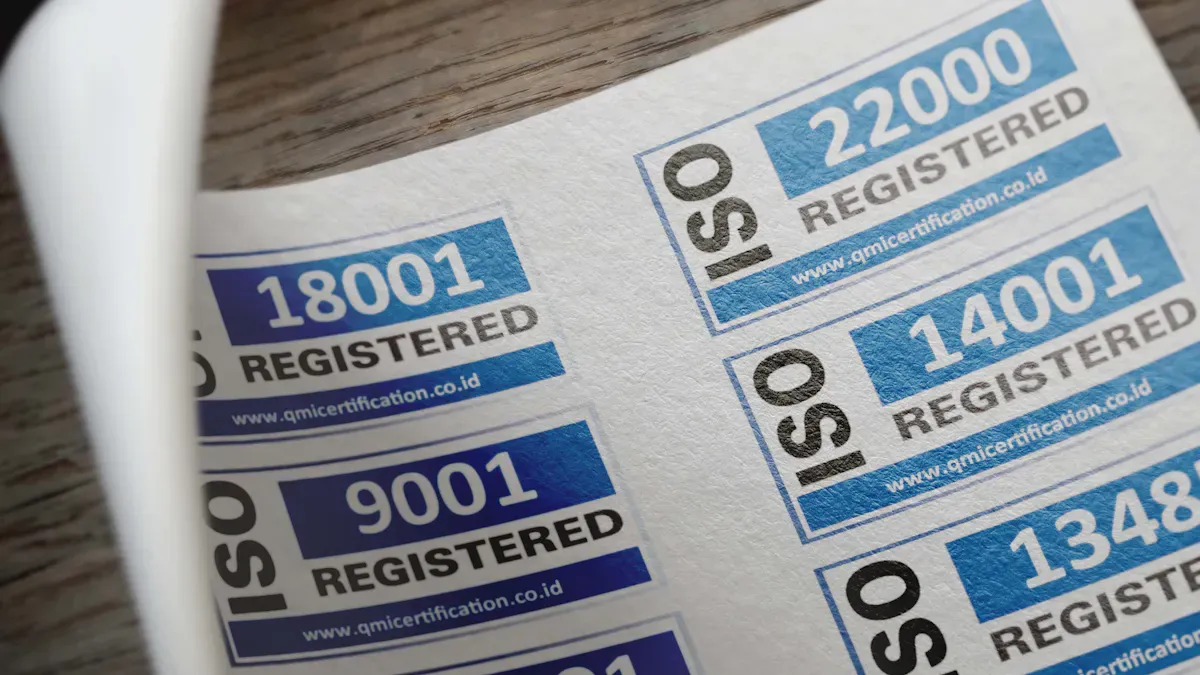
Certification Labels
You can spot SGS Low-Glare Certification labels by looking for specific visual features on display products. These labels help you quickly identify screens designed for eye comfort and reduced glare. The table below shows what you should look for:
Characteristic | Description |
|---|---|
Screen Type | Soft light version for a paper-like reading and writing experience. |
Anti-Glare Feature | Reduces 97% of interfering light for better eye protection. |
Certification | Shows the product meets the Low Visual Fatigue Gold Standard. |
Evaluation Criteria | Based on screen surface, ambient light handling, and reflection control. |
User Experience | Designed to minimize the impact of indoor ambient light. |
Tip: You can find these labels on the packaging or directly on the device. They often highlight the anti-glare and eye comfort features.
Shopping Tips
You want to make sure the certification label is real. Many SGS green marks include a QR code. You can scan this code with your smartphone. The scan takes you to a page that confirms the product’s certification. Each QR code also links to a summary of the certification details. This helps you check if the display truly meets SGS Low-Glare Certification standards.
Look for the SGS green mark with a QR code.
Use your phone to scan the QR code.
Read the linked summary to learn about the product’s certification.
Note: Always check the QR code before you buy. This step helps you avoid fake labels and ensures you get a product that protects your eyes.
By following these steps, you can confidently choose displays that support your eye health and comfort.
You now know what makes SGS Low-Glare Certification important for both users and manufacturers. This certification helps you enjoy safer, more comfortable screen time and supports brands that care about your well-being. When you choose certified products, you protect your eyes and make smart buying decisions. Looking ahead, you can expect new standards to focus on anti-reflective capabilities, clarity, and eye-care technologies:
Aspect | Description |
|---|---|
Anti-Reflective Capabilities | Screens will better minimize reflections from ambient light. |
Clarity and Readability | Displays will stay clear in different lighting conditions. |
Eye-Care Technologies | New features will protect your eyesight during long use. |
Choosing certified displays gives you confidence in your comfort and eye health.
FAQ
What does SGS Low-Glare Certification mean for you?
SGS Low-Glare Certification shows that your display meets strict standards for reduced glare and blue light. You get a screen that helps protect your eyes and makes viewing more comfortable.
What products can have SGS Low-Glare Certification?
You can find this certification on monitors, laptops, tablets, smartphones, and even TVs. Many leading brands use SGS Low-Glare Certification to show their commitment to eye comfort.
What should you look for on certified products?
Look for the SGS green mark or a QR code on the product or packaging. You can scan the QR code with your phone to check the certification details.
What benefits do you get from using certified displays?
You experience less eye strain, better comfort, and improved visibility in bright light. Certified displays help you enjoy longer screen time without discomfort.
What makes SGS Low-Glare Certification different from other certifications?
SGS Low-Glare Certification focuses on both glare and blue light reduction. You get a higher level of eye protection compared to many standard certifications.
See Also
The Importance of Understanding How LCD Technology Functions
Key Features of OLED TVs You Should Consider
Essential Eye-Friendly Display Technologies for 2025 Revealed